Apr 30, 2025
Tariffs Exposed the Weakness. 3D Scanning Is How You Take Control.
Everyone’s talking about tariffs & reshoring these days, but no one really talks about what actually gets in the way. One of the biggest issues? The data just isn’t there.
You’ve got a part in your hand, but no CAD file, no drawing, and the vendor who used to make it is long gone. You’d love to bring production back to the U.S. or shop it around to find a better price, but without the source files, you’re stuck.
We’ve seen this a lot. A few weeks back, we were working with a big automotive supplier. They’ve been around almost 30 years. Like a lot of folks, they used to send napkin sketches or rough ideas overseas and let the vendor build the CAD. It worked. They saved money on engineering and got what they needed… until they didn’t.
Now, with tariffs climbing and supply chains tightening, they need to rethink everything. But after years of outsourcing the design work, they’ve got almost nothing on file. Just finished parts, and no way to move forward.
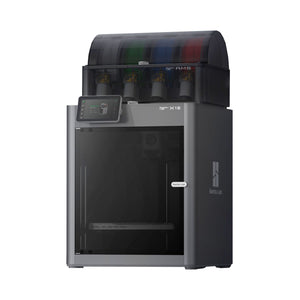
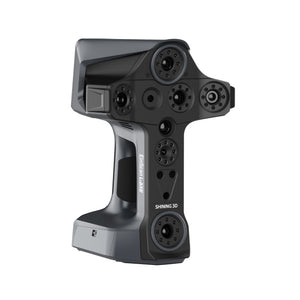
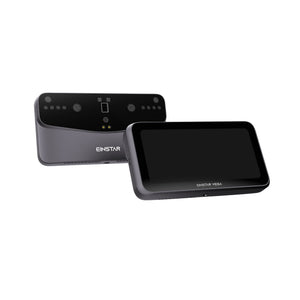
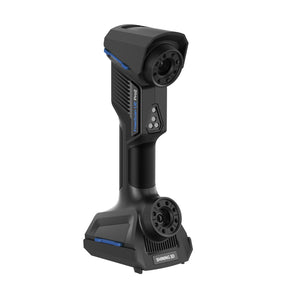
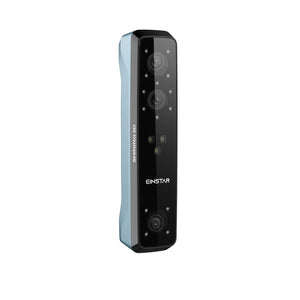
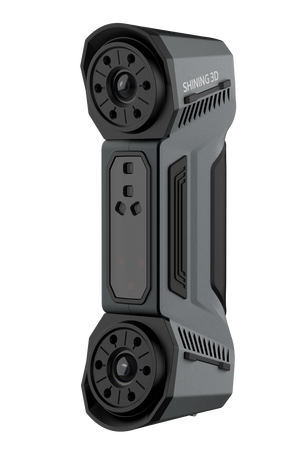
So they called us. We scanned the parts, cleaned up the geometry, and reverse engineered the CAD so they could start fresh. Now they’re quoting with multiple U.S. vendors. They’re even exploring additive for some of the simpler components. The big win? They’ve got real control again. No more guessing. No more being locked into one shop overseas.
This is the kind of thing we do all the time. For aerospace teams with aging parts and no prints. For MROs trying to get out from under long lead times. For businesses that just want options.
3D scanning isn’t a workaround. It’s a reset button. And when you pair that with reverse engineering, you can rebuild your entire product line without waiting on someone else to hand you the files.
If you’re trying to reshore but missing the data, don’t write it off. That part in your hand is more than enough to get started.
We’re continuing this series with real-world insights from the front lines of modern manufacturing. If you missed the earlier posts on hidden costs and the additive mindset, check them out on our blog. And if any of this hits close to home, let’s talk.